Djuli: From design to working software
Revisiting a complex scientific data platform through AI-enabled development
- Original design
- 2021
- Independent exploration
- 2026
- Focus
- Complex data interfaces, design systems, AI-assisted development and implementation fidelity
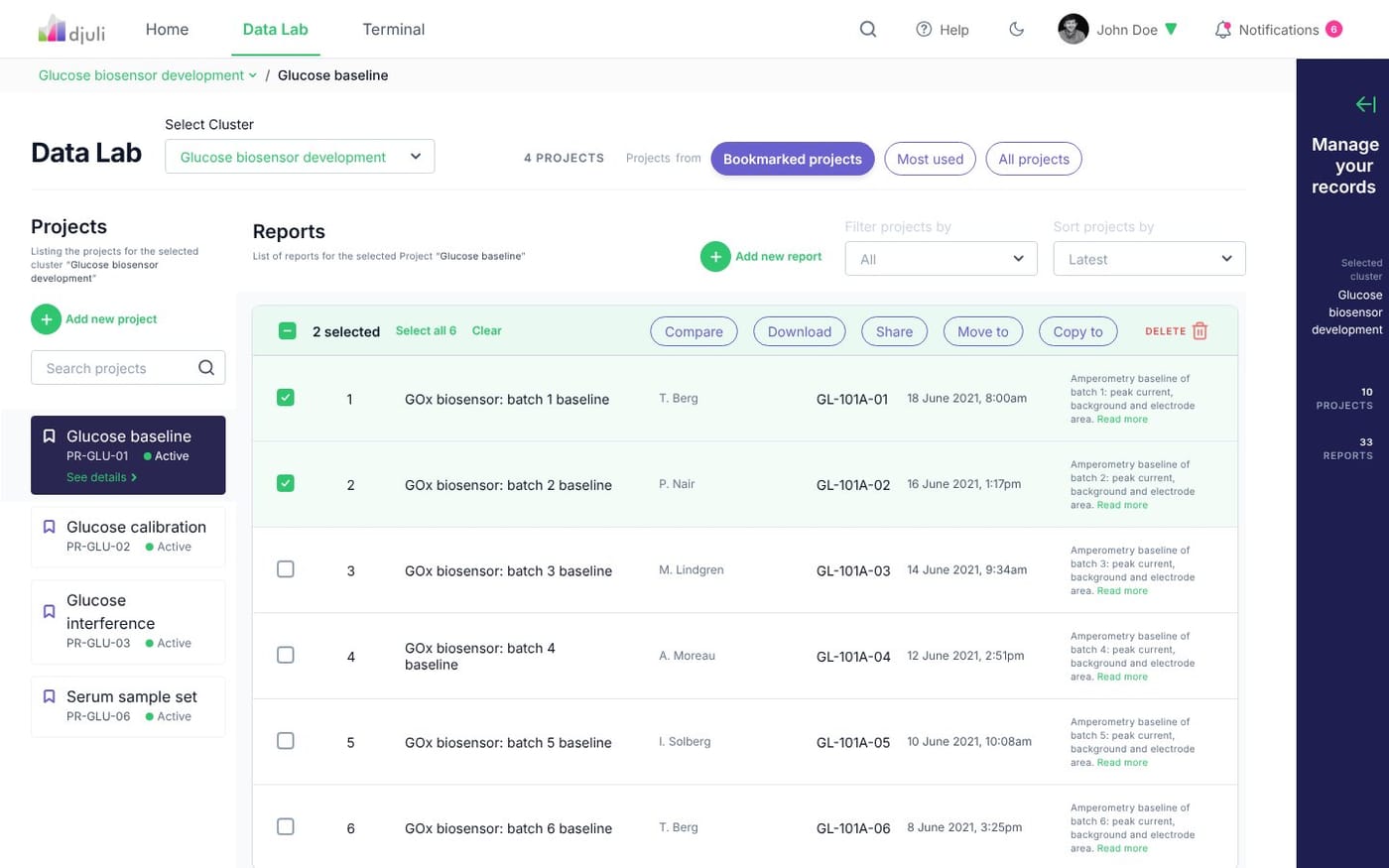
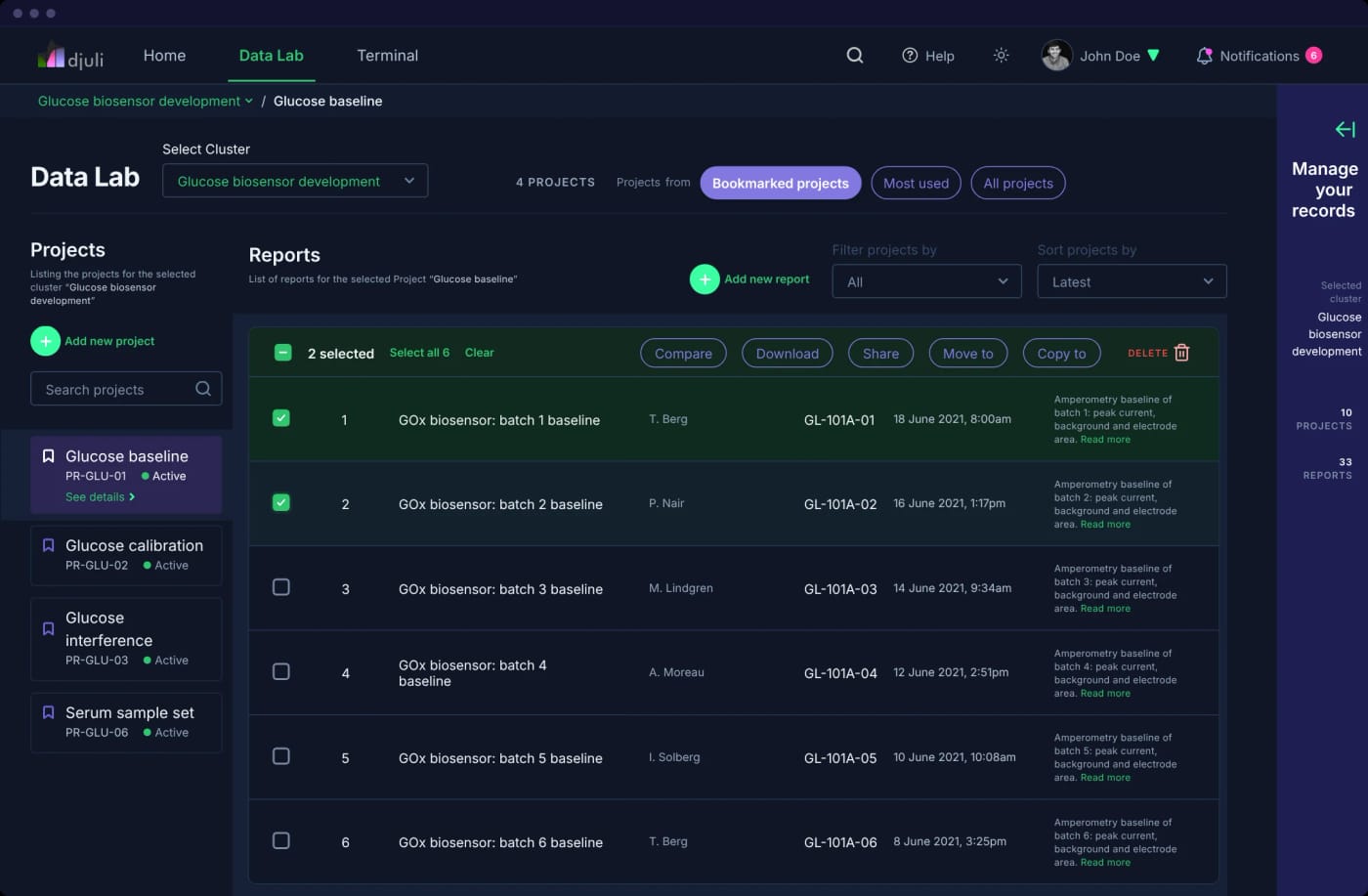
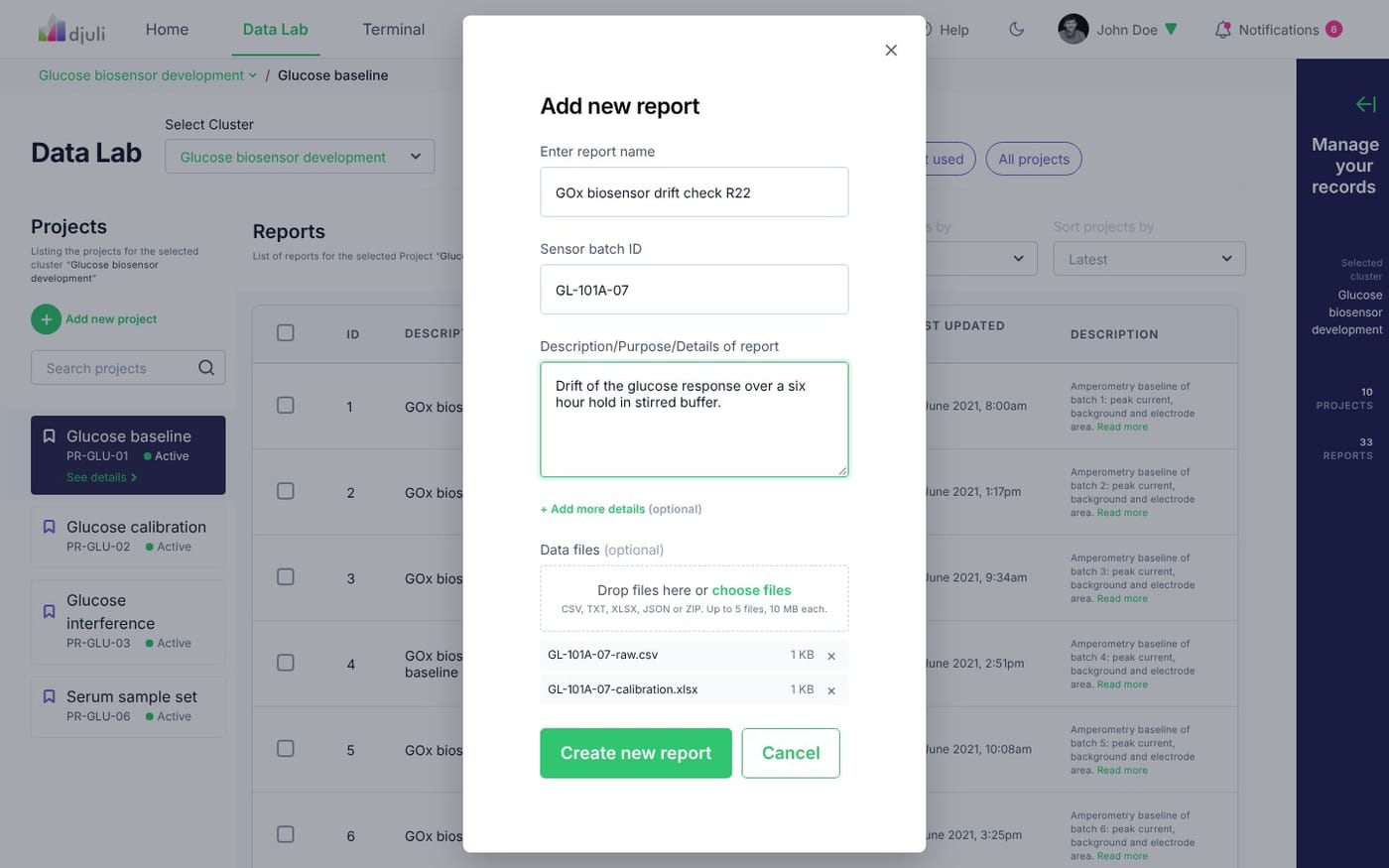
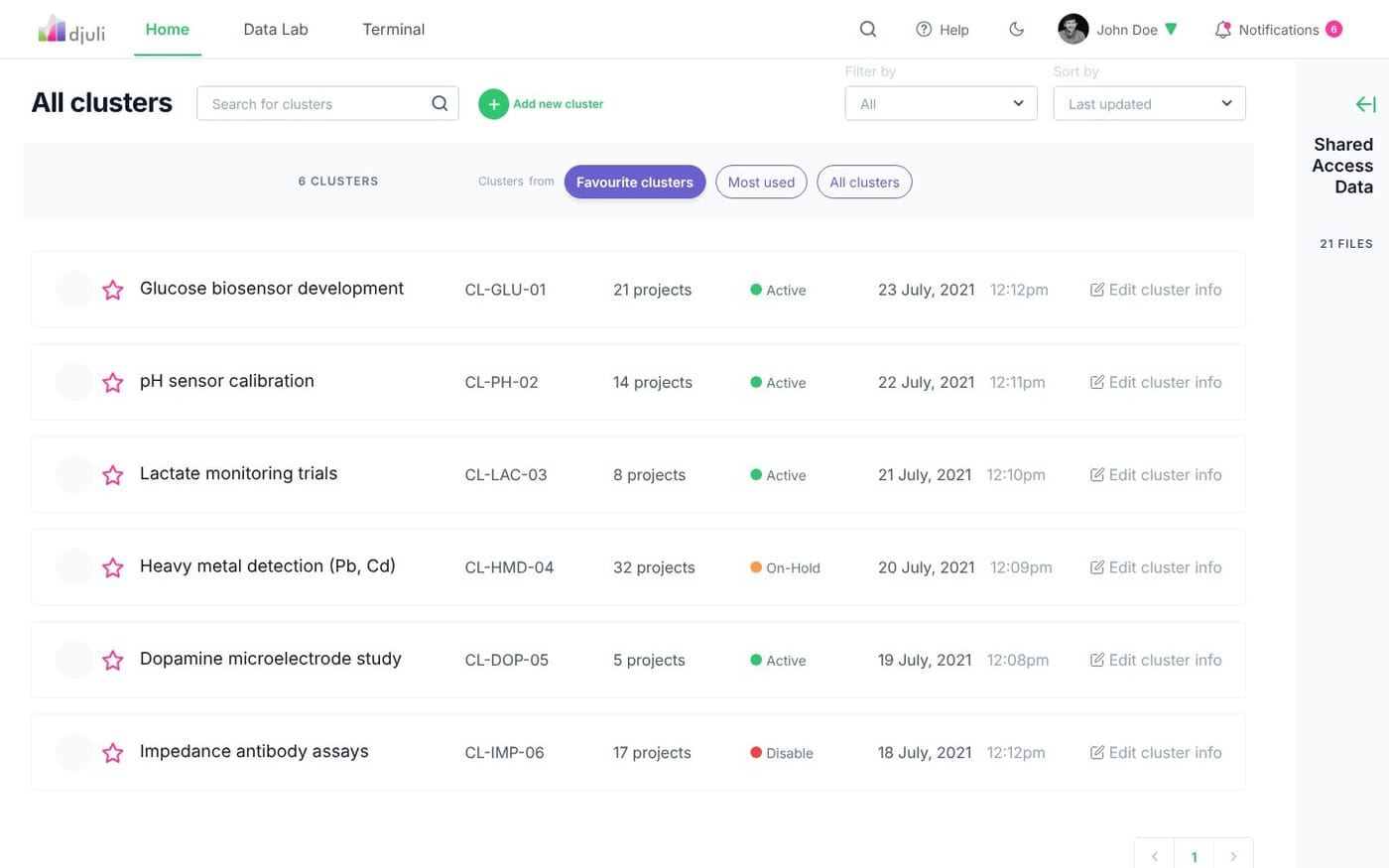
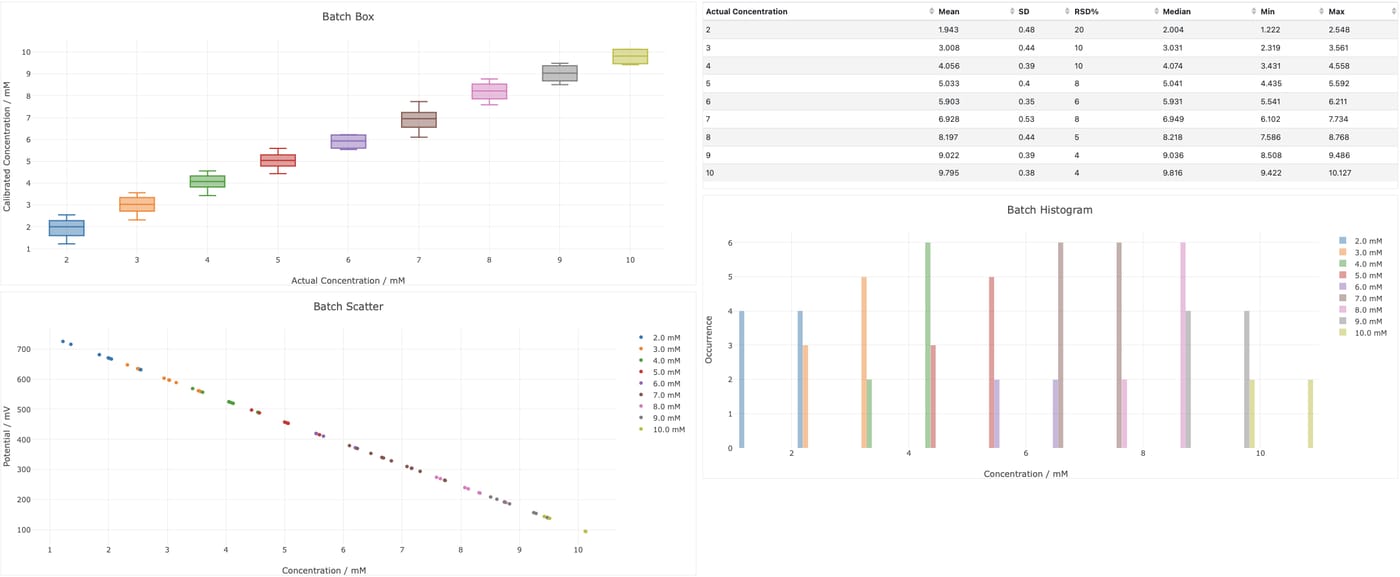
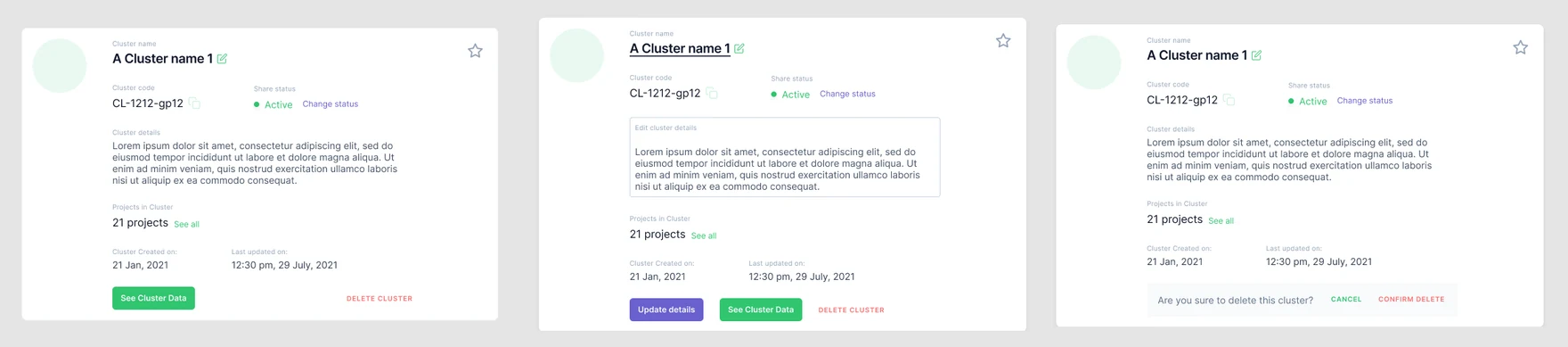
This is the coded rebuild of the Djuli screens, running with sample data. It is not an official Zimmerpeacock product.
In 2021 I worked on the design of Djuli, a scientific data platform associated with Zimmerpeacock in Norway. It dealt with electrochemical and biosensor data: researchers organising experiments, analysing results, generating reports and collaborating across locations. The challenge was making complex scientific information easier to get into without losing the detail real analysis needs.
This rebuild is independent. It is not an official Zimmerpeacock release or a commercially deployed redesign. It is my own exploration, based on my earlier design.
Why go back
The way designers can take part in building software is changing. AI-assisted development makes it possible to go from structured design files to a working interface without treating implementation as a different discipline. I could have tried this on a simple, made-up interface. I preferred a product I had actually designed: dense, complex and in real need of reusable components.
Starting with the design system
Not with screens. Components, typography, tokens, layouts, interaction patterns and design rules are the context for the AI-assisted work. That keeps a clearer link between the decisions in Figma and what ends up in code, and it iterates better than generating isolated interfaces again and again.
He has great design judgment and a strong work ethic, with a genuine commitment to doing things the right way rather than the easy way.
Between Figma and code
The workflow has five parts.
Design context
Understanding the product, how it works today and what each interface is for.
Structured design
Organising decisions into reusable foundations and components.
AI-assisted implementation
Turning those decisions into working interface code.
Review and refinement
Checking the result against the intended experience, finding the gaps and going round again.
Version-controlled development
Keeping the evolving build in a Git repository.
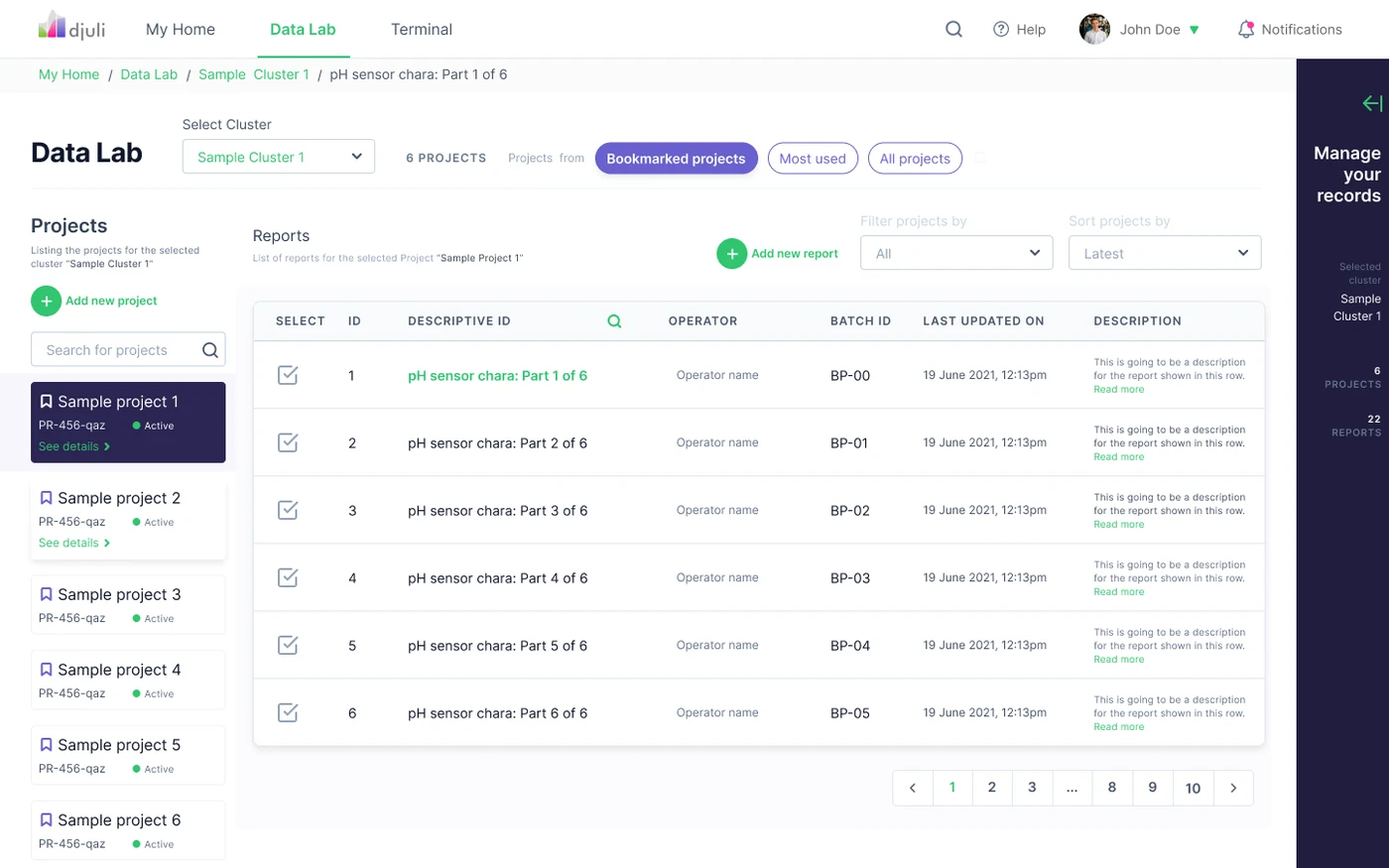
The aim is not to remove design judgement. It is to bring that judgement closer to the software people use.
Believe in things that work well, both in terms of user experience and usefulness.
What I am trying to find out
How faithfully can structured designs become code? How much of the component architecture can be reused? Where does AI-assisted work need more context, more explicit rules, or a human stepping in? How do you judge the quality of the working experience, and not just look at a picture of it? These questions matter most on complex products, where a convincing screen is not necessarily a coherent, maintainable application.
Where it stands
I do not know. This was a freelance engagement. I was paid for the design work, and that was where my part ended. There was no ongoing design contract, because the person I worked with on the other side was a technical person who was building it himself. As far as I knew at the time, it was only partly developed. I have no view of what became of it since.
What I can show is my own design work from 2021, and the independent rebuild I did in 2026 to explore these ideas again.
Freelance design in 2021, partly built when I last knew. Current state unknown to me. The 2026 rebuild is an independent exploration.