Digitising home-insurance claims
Helping customers manage a consequential service through digital channels
- Role
- Senior UX Designer, Lead UX on the project
- Team
- Five UX designers and a service designer
- Client
- Lloyds Banking Group
Making an insurance claim is rarely a routine moment. Somebody’s home is damaged, they are not sure what happens next, and they are worried about the settlement. A digital claims service has to do more than put the transactions online. It has to show progress, what is needed, what was decided and what comes next, in a way people can trust.
The project set out to digitise and streamline home-insurance claims, so customers could raise, track and manage them online. I was Lead UX, guiding five UX designers and a service designer in a distributed team.
More than a sequence of screens
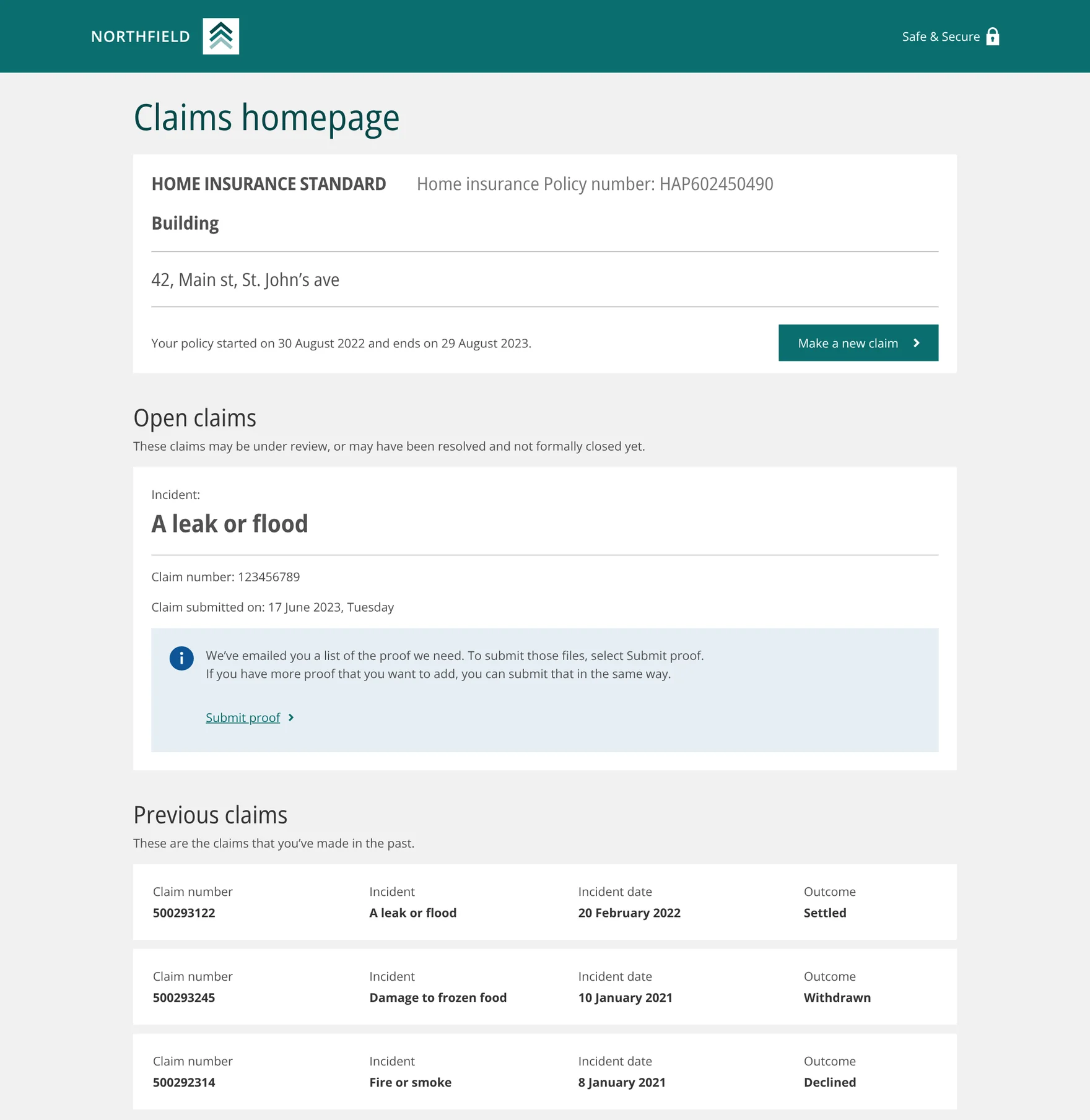
The work covered a large part of the claims lifecycle. Raising and managing claims. Tracking status. Understanding and escalating settlement decisions. Accessing historical claims. Managing excess payments. Secure payment. Each one is part of a bigger service, with dependencies between what the customer sees, the business requirements and the bank’s operations. Keeping them coherent while each had its own constraints was the real job.
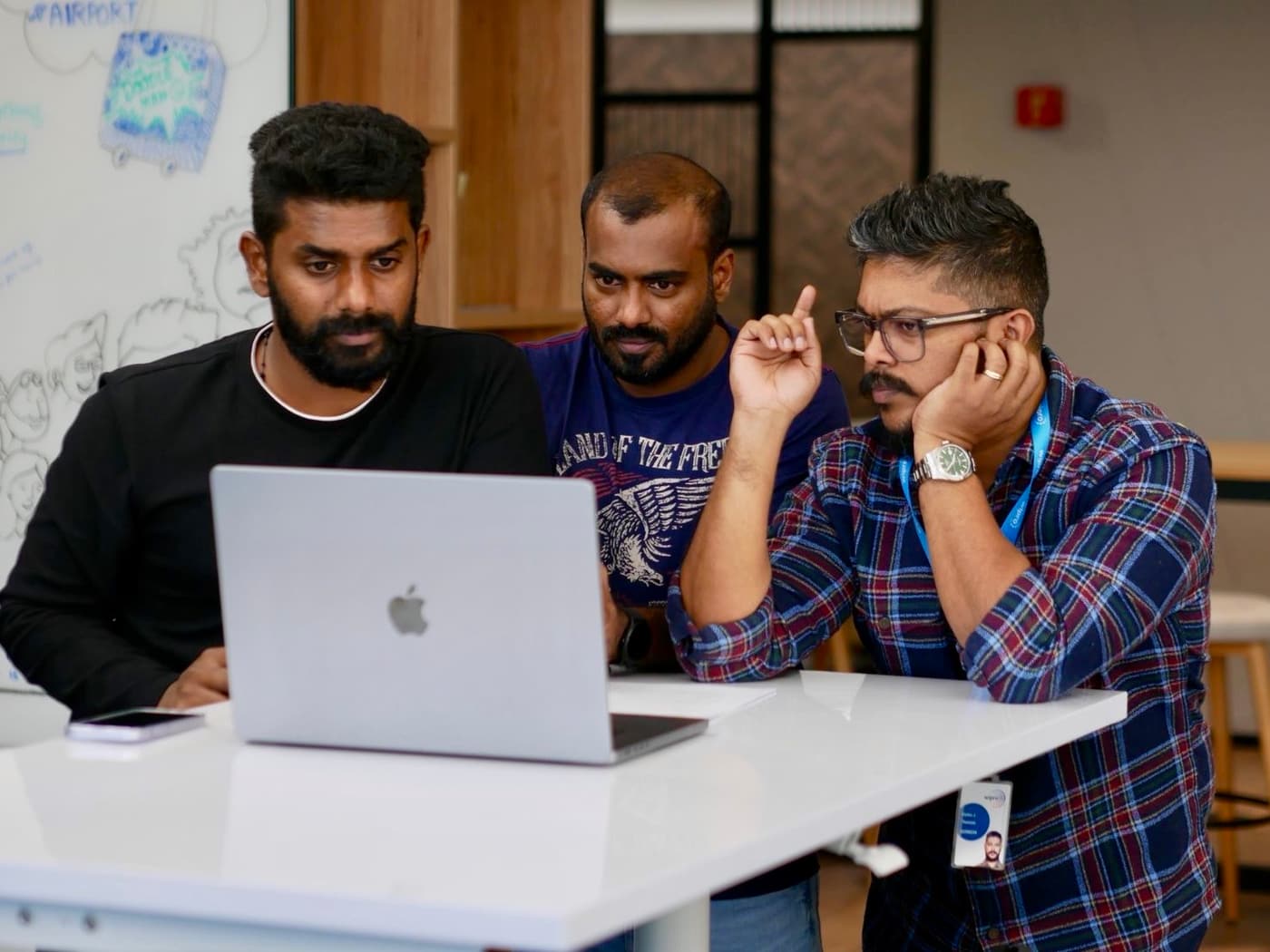
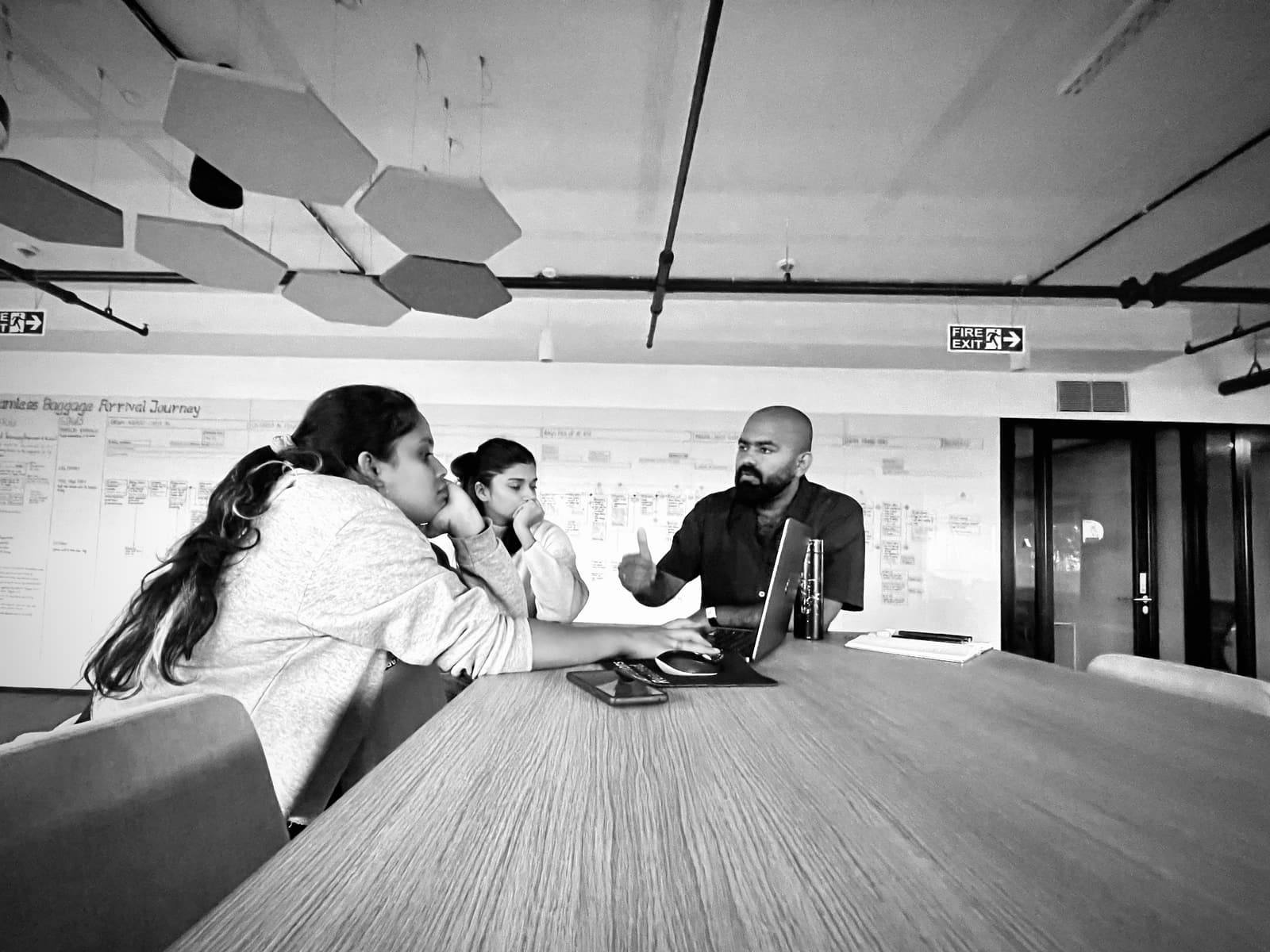
Leading the team
I set the experience direction, coordinated the work, reviewed the quality and coherence of what was proposed, and worked with stakeholders across the engagement. We worked closely with the bank’s central design team and inside its design system, through formal approval processes, to the standards you would expect in a regulated bank.
He stays with the problem until it makes sense for the person using it. As a fellow designer, that’s something I genuinely respect about him.
Your style of working is very friendsky and cordial, than strict and punitive and adamant. Getting work done is important and there are many ways to get there. Your leadership is very protective in nature.
Working within constraints
This was not an innovation project. Governance, delivery commitments and dependencies were all there from the start. Decisions had to fit the bank’s existing ecosystem and clear its approvals. That meant balancing clarity for the customer against implementation, institutional standards and phased delivery. My job was to keep the experience coherent while the workstreams moved through review and delivery.
Inspiring and approachable.
Delivery
The work was delivered across multiple releases, with the client’s stakeholders and development teams, through review, approval and implementation. It gave me the chance to lead complex service design beyond individual deliverables, over a long stretch, inside a large regulated organisation.
What it shows
That I can lead multidisciplinary UX where the consequences of a design decision reach past the interface, and keep quality, clarity and alignment intact inside governance and delivery commitments.
Sensitive project artefacts are withheld. I can say more where confidentiality allows.
Delivered across multiple releases. Sensitive artefacts withheld.